“The true meaning of life is to plant trees under whose shade you do not expect to sit.”
—Nelson Henderson (1865-1943)
“Pattern yourself after a tree.”
—Gwen Frostic (1906-2001)
I have always loved trees. When I was a little girl growing up in Worthington, Ohio, without TV, cell phones, or extra-curricular activities to participate in and attend, my two sisters and I and our neighborhood friends played all day, climbing trees in our backyard and along the banks of the Olentangy River near our home. Every summer, my parents and sisters vacationed for a week at Lake Hope, in southeastern Ohio, slept in rustic cabins surrounded by trees that sheltered us from the heat during the day and rainfall at night.
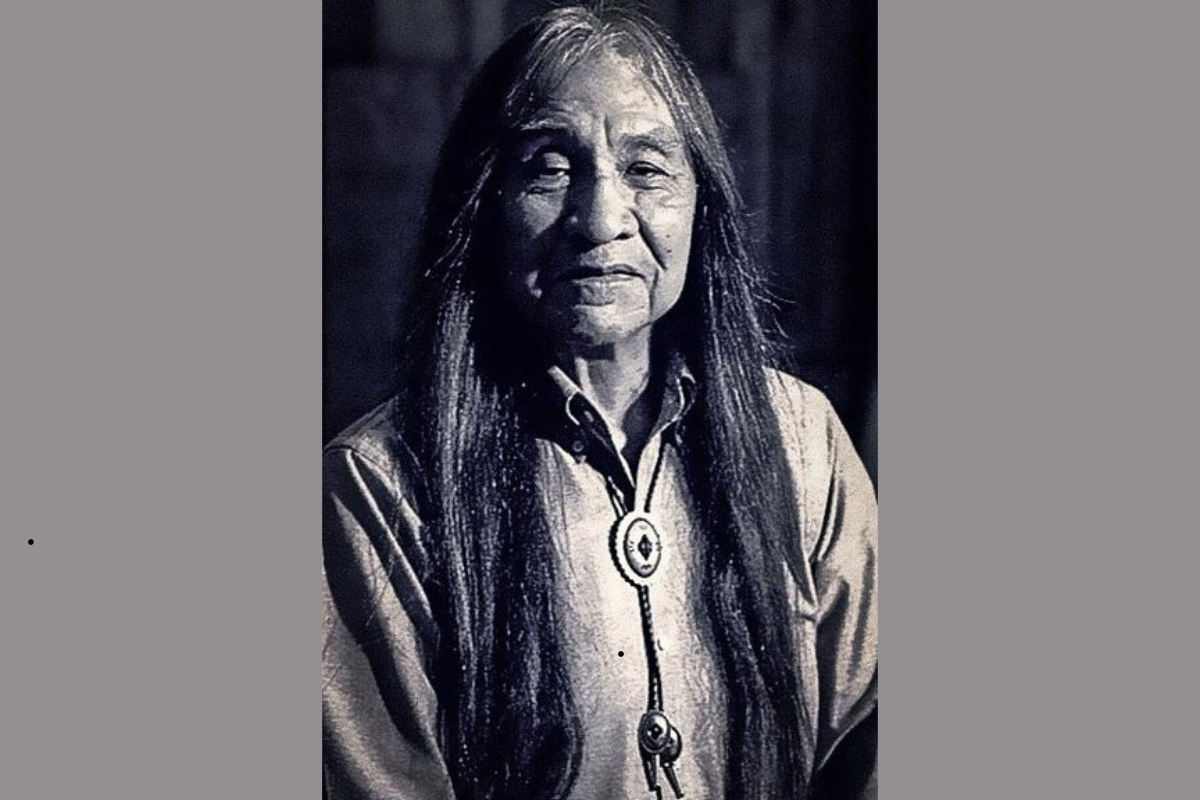
The woman who told me to pattern my life after a tree when I was still finding my way in my late 30s and early 40s was Gwen Frostic. Sarah Gwendolen Frostic was born in Sandusky, Michigan, on April 26, 1906, to Sara and Fred Frostic, and died on April 25, 2001, one day before her 95th birthday. When Gwen was 8 months old, she suffered from an unknown illness which left her with a lifelong physical condition similar to cerebral palsy. Growing up, she showed an early interest and aptitude for art. In June 1924, she graduated from Theodore Roosevelt High School in Wyandotte, Michigan, where she used a band saw to create event posters for her school.
Gwen continued her studies at Eastern Michigan University earning her teacher’s certificate and gaining membership in Alpha Sigma Tau sorority. In 1926, she transferred to Western Michigan University, left a year later without completing her degree, continued her artistic endeavors in metal and plastic, and occasionally taught. With WWII came a lack of metal to work with so she turned to linoleum block carving. Gwen then turned her linoleum block carving into stationery goods and prints.
In the early 1950s, she opened up a shop selling these prints, books, and other items in Frankfort, Michigan. In 1960, she bought 40 acres of land in Benzonia with the intention of moving herself and her shop. On April 26, 1964, her 58th birthday, she opened for business in a building of her own design, and lived there until her death.
I first met Gwen in the early 1980s when she spoke at Stafford’s Bay View Inn to the Petoskey chapter of Zonta, an international service organization of business and professional women. I joined Zonta in 1980, the same year I started my secretarial and mailing business, Professional Business Services. What puzzled me about Gwen’s presentation that day was her resistance to new technology.
Computers were becoming essential to running a business. Even I had purchased a RadioShack 40K computer so I could create documents, mailing lists, and databases. Astute as Gwen was as a business owner, she resisted the need to computerize her business and even her printing presses. She wasn’t one to follow the crowd.
Years later, I stopped to visit with Gwen at her card and gift shop in Benzonia, Michigan. The two of us sat in her office in the back of the shop as she shared with me her philosophy of life.
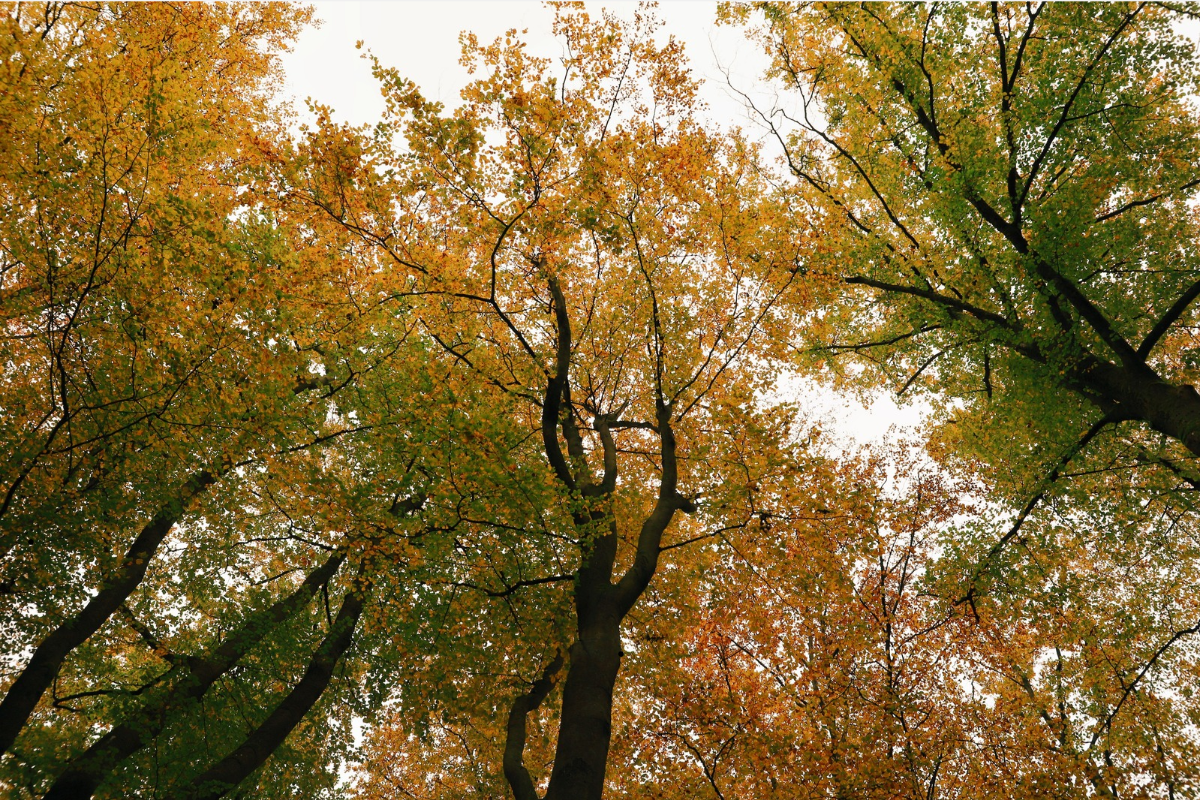
“Pattern yourself after a tree,” she said. “A tree sends its roots deep into the nurturing earth and spreads its branches up into the sky, making homes for birds, squirrels, ants, and many other living creatures. Storms come and break its branches. Lightening strikes and damages its limbs. Seasons come and seasons go. Through all these changes the tree remains its true self—a tree. Every spring, even the oldest of trees have tiny, little green leaves coming out in the very tips of its branches as it continues to grow and spread its beauty and life-affirming nurturance into the world.”
Gwen was all about preserving timeless values of the past while embracing future possibilities—as long as the natural world of nature is respected and preserved.
In spite of her physical disabilities, Gwen Frostic’s success as an artist enabled her to also be a generous philanthropist. In 2007, the Western Michigan University Board honored her for her $13 million gift, one of the largest single gifts in the school’s history, by naming their School of Art the Gwen Frostic School of Art.
When Frederik Meijer Gardens & Sculpture Park opened in April 1995 after 13 years of planning and fundraising by the West Michigan Horticultural Society, Andy and I made a contribution to the Gardens to purchase a tree in honor and memory of our parents. The tree is still there, much larger now than when it was first planted, at the entrance to the Gardens. A plaque in front of the tree reads: “In honor of our parents who gave us roots and wings.”
Gwen’s gift to Meijer Gardens made possible the Gwen Frostic Woodland Shade Garden of indigenous plants and animals, including a fresh palate of color in the spring when native trout lilies, daffodils, wildflowers, and flowering shrubs burst into bloom. Tall trees provide a canopy of shade in summer months when hydrangeas, hostas, and fringed bleeding hearts offer a feast for the eyes.
After Gwen died, I contacted the owners who purchased her business asking if she had written a memoir or autobiography. They said they would be happy to send me a complimentary copy. Several days later I received a two-page pamphlet with the following printed on it: On the cover: “Gwen Frostic ... by the one who knows her best.” On the inside page: “She was born ... of that there’s no dispute. She goes to bed each night and rises every morning (tho [sic] not so very early), eats breakfast, lunch and dinner ... and sometimes in-between. She always liked to play with blocks. The things boys did seemed best of all. She liked to hammer and to saw. She started school at six. Went through all the grades and college before she tackled business. She wishes there were more to tell ... but that’s the story in a shell.”
Gwen was both humble and self-confident. She lived simply and in tune with the natural world. She did not need the approval of others to follow her calling and do what she loved to do. Gwen never stopped growing and creating, expressing her love of nature and life, of possibilities and potential, of believing in herself and her own life’s purpose and meaning. Never comparing herself to others, Gwen was very generous, giving most of her money away to causes she believed in, such as fine art education and nature.
While Gwen Frostic had a physical disability, she was not disabled. Instead. Gwen Frostic was a mystic. Awed by nature, she described it poetically in words and in drawings but never explained it scientifically. As a creation of nature herself, she was her own Polaris, her own North Star. While I don’t know if Gwen belonged to any faith community or believed in a Supreme Creator, she was guided by her faith in the natural world and sustained by her belief in her own abilities, thus, she has always been and always will be a hero to me.